
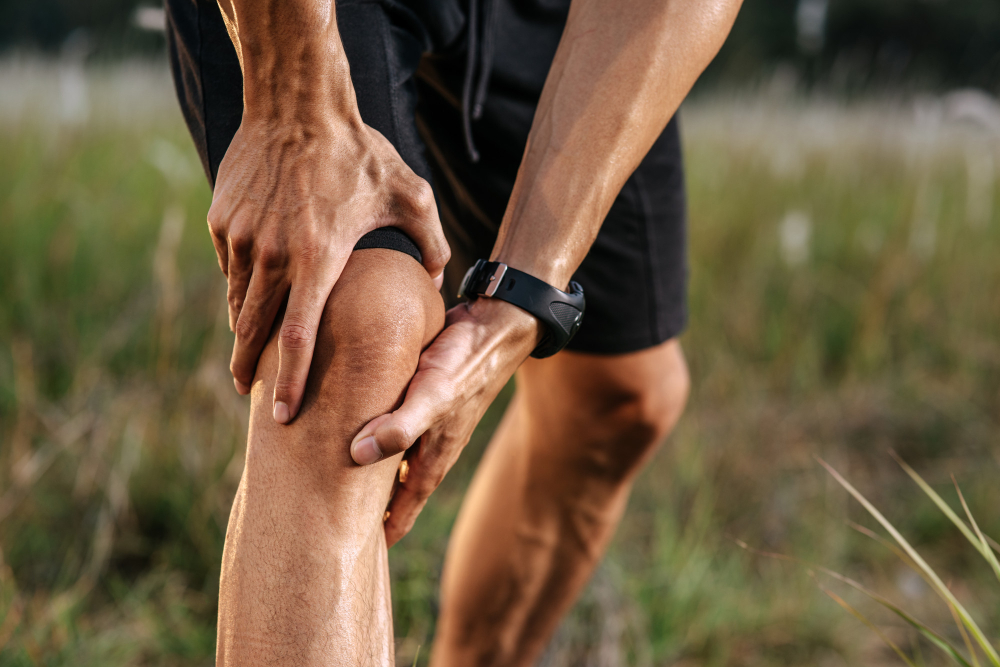
What is an ACL Injury?
The anterior cruciate ligament, or ACL, is a strong band of tissue inside your knee. It helps keep your knee stable. An ACL injury happens when this ligament is stretched or torn. Often, this injury occurs during sports or sudden movements. Many people hear a pop or feel their knee give out. Because the ACL is important for knee movement, an injury can make walking or running hard. According to the American Academy of Orthopaedic Surgeons, ACL injuries are common in athletes and active people.
Common Symptoms of ACL Injury
Recognizing ACL tear symptoms early can help you get the right treatment. Usually, symptoms appear right after the injury. However, some signs may develop over time. Look for these common symptoms:
Sometimes, symptoms can be mild at first. But, they often get worse with activity.
Causes and Risk Factors
ACL injuries often happen during sports that involve sudden stops or changes in direction. For example, soccer, basketball, and football have higher risks. But, anyone can injure their ACL. Here are some common causes:
Besides, certain risk factors increase your chances of an ACL injury:
How is ACL Injury Diagnosed?
Doctors use several steps to diagnose an ACL injury. First, they ask about your symptoms and how the injury happened. Next, they examine your knee for swelling, tenderness, and movement. Often, they use special tests to check knee stability. In many cases, imaging tests help confirm the diagnosis. These may include:
Early diagnosis helps guide the best ACL injury treatment options.
Treatment Options for ACL Injury
Treatment depends on how severe the injury is and your activity level. For mild injuries, rest and therapy may be enough. However, severe tears often need surgery. Here are common treatment options:
After surgery, physical therapy is important for recovery. In some cities, you can find specialized ACL injury treatment centers for advanced care.
Prevention Tips and Lifestyle Guidance
While not all ACL injuries can be prevented, you can lower your risk. Try these tips to protect your knees:
Additionally, staying active and flexible helps keep your knees healthy. If you play sports, ask a coach about safe training routines.
When to See a Doctor
If you suspect an ACL injury, do not wait. Seek medical help if you:
Early care can prevent further damage and improve recovery. For the best results, consult an orthopedic specialist at The Elite Clinics for a full evaluation.
If you suspect an ACL injury, consult an orthopedic specialist at The Elite Clinics for personalized care.