What is Eczema?
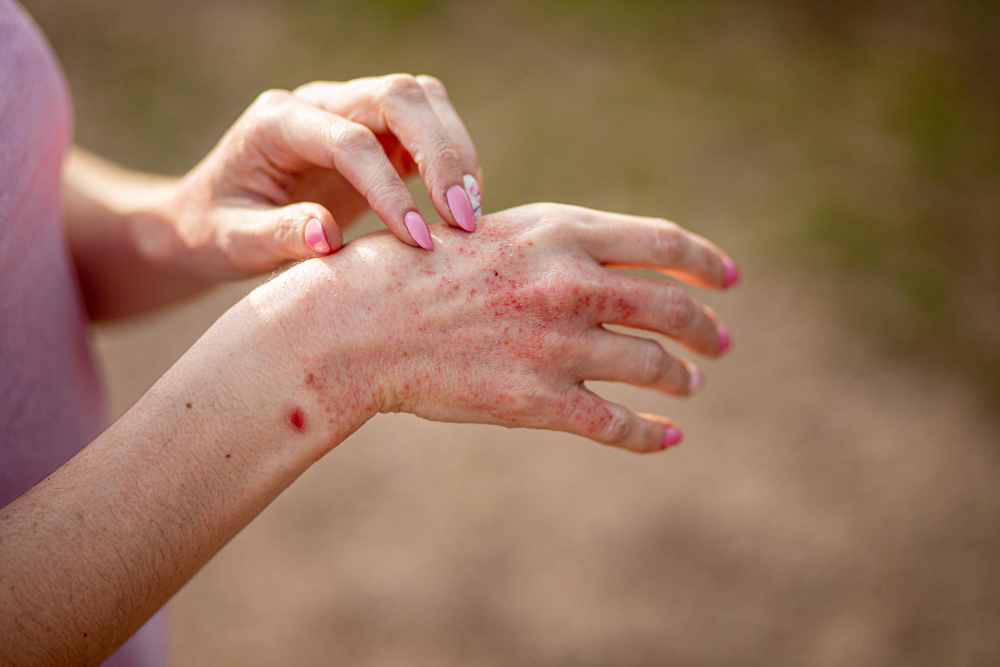
Eczema is a common skin condition that causes dry, itchy, and inflamed skin. Many people also call it atopic dermatitis. Although it can affect anyone, it often starts in childhood. Eczema is not contagious, so you cannot catch it from someone else. However, it can be uncomfortable and sometimes hard to manage. According to the CDC, eczema affects millions of people worldwide. Understanding eczema can help you manage symptoms and improve your skin health.
Common Symptoms of Eczema
People with eczema may notice different symptoms. However, some signs are more common than others. Early treatment can help reduce discomfort. Look for these eczema symptoms:
Sometimes, symptoms get worse during flare-ups. For example, scratching can make the skin bleed or become infected. If you notice these signs, talk to your doctor.
Causes and Risk Factors
Eczema has no single cause. Instead, it happens when the skin’s barrier does not work well. Because of this, the skin loses moisture and becomes more sensitive. Several factors can increase your risk:
Although anyone can get eczema, children are more likely to develop it. Genetics play a strong role, but the environment matters too.
How Eczema is Diagnosed
Doctors usually diagnose eczema by looking at your skin and asking about your symptoms. Sometimes, they may ask about your family history. In some cases, your doctor may do allergy tests or skin patch tests. These tests help rule out other skin problems. However, there is no single test for eczema. If you think you have eczema, see a healthcare provider for a proper diagnosis.
Treatment Options for Eczema
There is no cure for eczema, but many treatments can help control symptoms. Early treatment can prevent flare-ups and skin damage. Common eczema treatment options include:
Always follow your doctor’s advice when using any treatment. Some medicines may have side effects, so regular check-ups are important.
Lifestyle Tips and Home Care
Good skin care can make a big difference. Even though eczema can be stubborn, daily habits help manage it. Try these tips at home:
Because triggers can vary, keep a diary to track what makes your eczema worse. This can help you avoid future flare-ups.
Preventing Eczema Flare-Ups
While you cannot always prevent eczema, you can lower your risk of flare-ups. For instance, avoid known triggers and keep your skin healthy. Here are some helpful steps:
With the right care, many people can keep eczema under control. However, if your symptoms get worse, see your doctor.
For personalized advice on managing eczema, consult a dermatologist at The Elite Clinics. Early care can help you enjoy healthier, more comfortable skin.