PRP for skin is a popular cosmetic procedure that uses your own blood to help improve skin health. Many people choose PRP facial treatment because it is a non-surgical skin treatment. In this overview, we will explain what PRP for skin is, how it works, its benefits, and what you can expect from the process. Platelet-rich plasma for skin rejuvenation is gaining attention for its natural approach and visible results.
What is PRP for Skin?
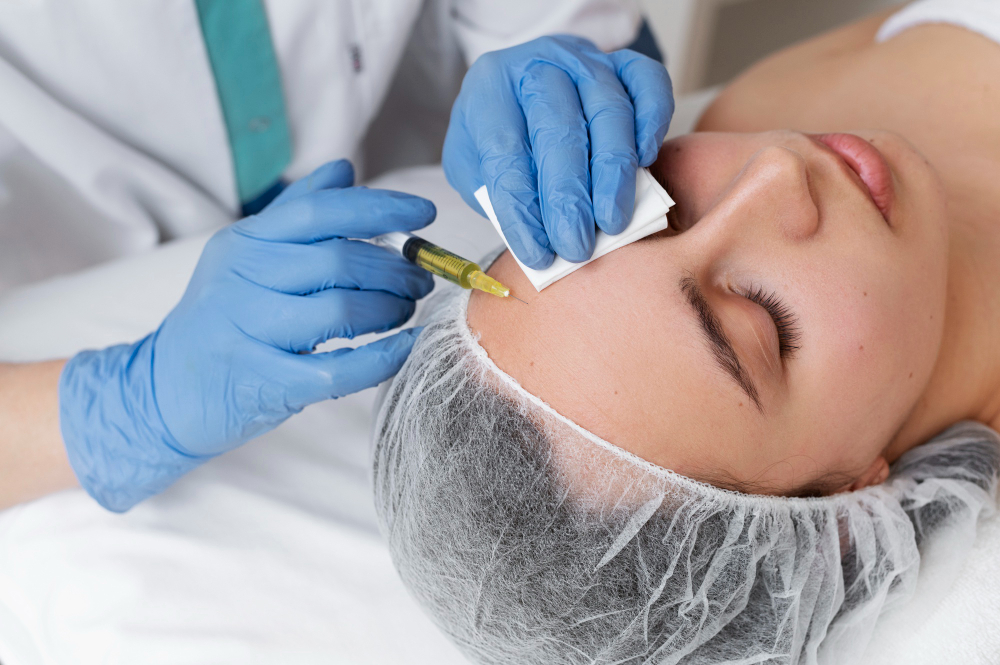
PRP stands for platelet-rich plasma. It is a part of your blood that contains special cells called platelets. These platelets help your body heal and grow new cells. In PRP for skin, doctors use your own blood to make a concentrated mix of platelets. Then, they apply or inject this mix into your skin. As a result, your skin may look fresher and more youthful. PRP facial treatment is also known as a “vampire facial.”
How Does PRP Work?
First, a small amount of your blood is drawn. Next, the blood is spun in a machine to separate the platelets. After that, the platelet-rich plasma is collected. Then, the doctor applies or injects the PRP into your skin. Because platelets release growth factors, they help repair and renew skin cells. Therefore, PRP for skin can boost collagen and improve skin texture.
Benefits of PRP for Skin
Many people choose PRP facial treatment for its natural and safe approach. Here are some key benefits:
According to peer-reviewed studies, PRP can help with skin rejuvenation and healing (source: PubMed).
Who is a Good Candidate?
Not everyone is the right fit for PRP for skin. However, you may be a good candidate if you:
On the other hand, people with certain blood disorders or infections should avoid PRP facial treatment. Always talk to a qualified dermatologist before starting.
The PRP Procedure: Step-by-Step
Here is what you can expect during a PRP facial treatment:
The whole process usually takes about one hour.
Potential Risks and Side Effects
Although PRP for skin is generally safe, there are some risks. Because the treatment uses your own blood, allergic reactions are rare. However, you may notice:
Most side effects go away within a few days. But, if you have a history of bleeding problems or infections, discuss this with your doctor first. According to the CDC, always choose a trained professional for any cosmetic procedure.
Results and Recovery
After PRP facial treatment, you may see mild redness or swelling. However, these effects usually fade within a day or two. Most people return to normal activities right away. Results can appear within a few weeks. For best results, you may need several sessions. Because PRP boosts collagen, your skin may look smoother and firmer over time. Results can last several months, but regular treatments may help maintain them.
Frequently Asked Questions
In summary, PRP for skin is a safe and natural way to refresh your skin. Consult a qualified dermatologist or cosmetologist at The Elite Clinics for personalized advice on PRP for skin.