Introduction to Acne Vulgaris (Pimples)
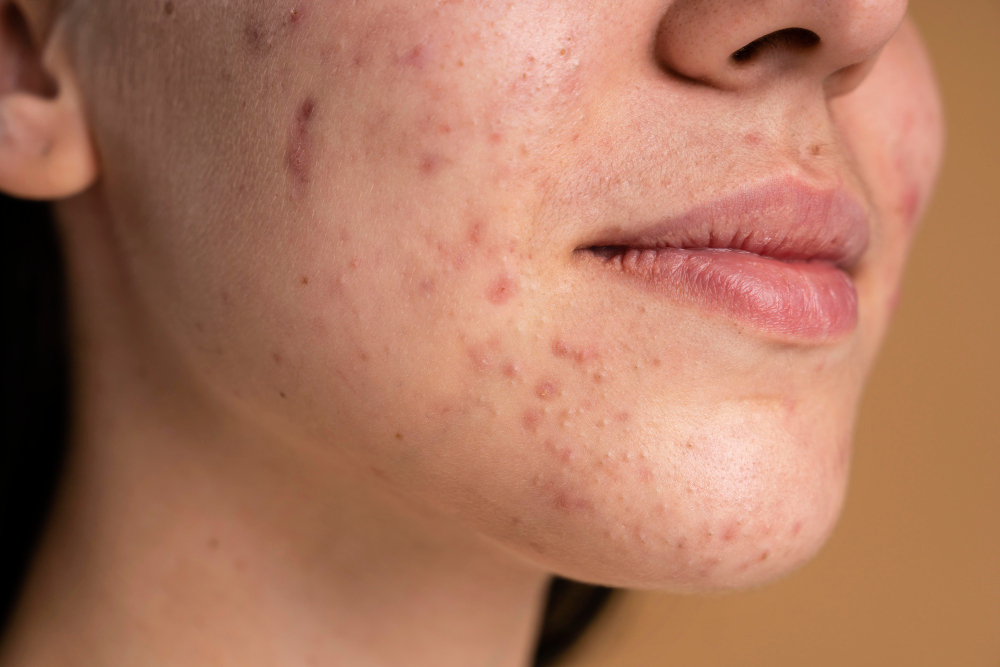
Acne Vulgaris, often called pimples, is a common skin problem. It affects people of all ages, but teenagers get it most often. In many cases, acne appears on the face, chest, or back. However, it can show up anywhere on the body. Acne Vulgaris (Pimples) happens when hair follicles get clogged with oil and dead skin cells. As a result, red bumps, blackheads, or whiteheads may form. According to the World Health Organization (WHO), acne is one of the most common skin conditions worldwide. Therefore, understanding acne symptoms, causes, and pimple treatment is important for everyone.
Symptoms of Acne Vulgaris
Acne Vulgaris (Pimples) can look different for each person. However, there are some common signs to watch for. Early treatment can help prevent scars and discomfort. Here are the main symptoms:
In addition, acne may cause skin to feel sore or itchy. Sometimes, dark spots or scars remain after pimples heal.
Causes and Risk Factors
Many things can lead to Acne Vulgaris (Pimples). However, the main cause is blocked hair follicles. Oil glands in the skin make too much oil, which mixes with dead skin cells. This clogs the pores. Bacteria can then grow, causing swelling and redness. Some key causes of acne vulgaris include:
In addition, diet may play a small role. For example, some people notice more pimples after eating sugary or dairy foods. However, research is still ongoing. The Centers for Disease Control and Prevention (CDC) notes that genetics and hormones are the biggest risk factors.
Diagnosis
Doctors usually diagnose Acne Vulgaris (Pimples) by looking at the skin. No special tests are needed in most cases. However, if acne is severe or does not improve, a doctor may ask about your health history. Sometimes, they check for other skin problems that look like acne. Early diagnosis helps prevent scars and long-term skin changes.
Treatment Options
There are many ways to treat Acne Vulgaris (Pimples). The right treatment depends on how severe the acne is. Some common pimple treatment options include:
In addition, it is important to follow your doctor’s advice. Do not squeeze or pick at pimples, as this can cause scars. For best results, use treatments as directed and be patient. It may take several weeks to see improvement.
Lifestyle Tips and Prevention
While you may not be able to prevent all pimples, some habits can help. Here are some tips on how to prevent pimples and keep skin healthy:
In addition, avoid touching your face often. This can spread bacteria and make acne worse. If you live in a hot or humid area, wash your face more often to remove sweat and oil.
When to See a Doctor
Most mild cases of Acne Vulgaris (Pimples) can be managed at home. However, you should see a doctor if:
Therefore, a dermatologist can help find the best treatment for your skin. Early care can prevent long-term problems and boost your self-esteem.
Consult a dermatologist at The Elite Hospital for personalized advice on managing Acne Vulgaris (Pimples).