
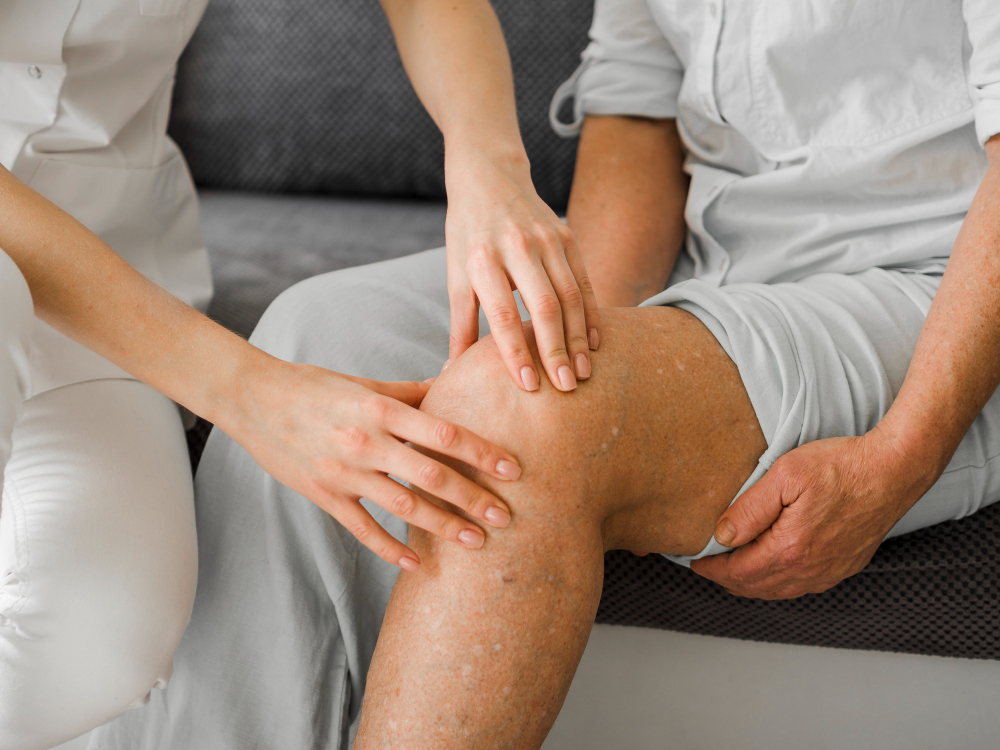
What is Knee Pain?
Knee pain is a common problem for people of all ages. It can affect your daily life, making it hard to walk, climb stairs, or play sports. Many people search for knee pain causes and knee pain treatment options because this issue can be both sudden and long-lasting. While some knee pain goes away on its own, other cases need medical care. Understanding how to relieve knee pain starts with knowing what causes it.
Common Causes of Knee Pain
There are many reasons why your knee might hurt. Sometimes, an injury is to blame. Other times, knee pain comes from wear and tear over time. Below are some of the most common causes:
According to the Centers for Disease Control and Prevention (CDC), knee pain is one of the top reasons adults visit their doctor for joint problems.
Recognizing Symptoms of Knee Pain
Knee pain can feel different for everyone. However, some symptoms are more common. Knowing what to look for can help you decide when to seek help. Common symptoms include:
Sometimes, symptoms get worse after activity. On the other hand, pain may also appear after sitting for a long time.
How Knee Pain is Diagnosed
If you have ongoing knee pain, a doctor can help find the cause. First, your doctor will ask about your symptoms and medical history. Next, they will examine your knee. They may check for swelling, tenderness, or how well you can move your knee.
To get a clearer picture, your doctor might order tests such as:
Early diagnosis helps you get the right knee pain treatment options.
Effective Treatment Options for Knee Pain
Treatment for knee pain depends on the cause. For many people, simple steps can help. However, some cases need more advanced care. Common treatments include:
According to the American Academy of Orthopaedic Surgeons, most people improve with non-surgical treatments.
Lifestyle Tips and Prevention
There are steps you can take to lower your risk of knee pain. Even small changes can make a big difference. Here are some helpful tips:
By following these tips, you can help prevent knee pain and keep your joints healthy.
When to See an Orthopedic Specialist
Sometimes, knee pain needs expert care. You should see an orthopedic specialist if:
Early treatment can prevent further damage and help you recover faster.
Conclusion
Knee pain can affect your daily life, but many causes are treatable. If you have ongoing pain, do not ignore it. Consult an orthopedic specialist at The Elite Clinics for personalized advice on knee pain. They can help you find the best treatment and get back to your normal activities.